Two 15-year-old students build AI tool to flag child-safety risks at day care centres
Sajag AI scans existing CCTV feeds and alerts staff within seconds, and the Confederation of Women Entrepreneurs of India has started rolling it out at 18 centres.
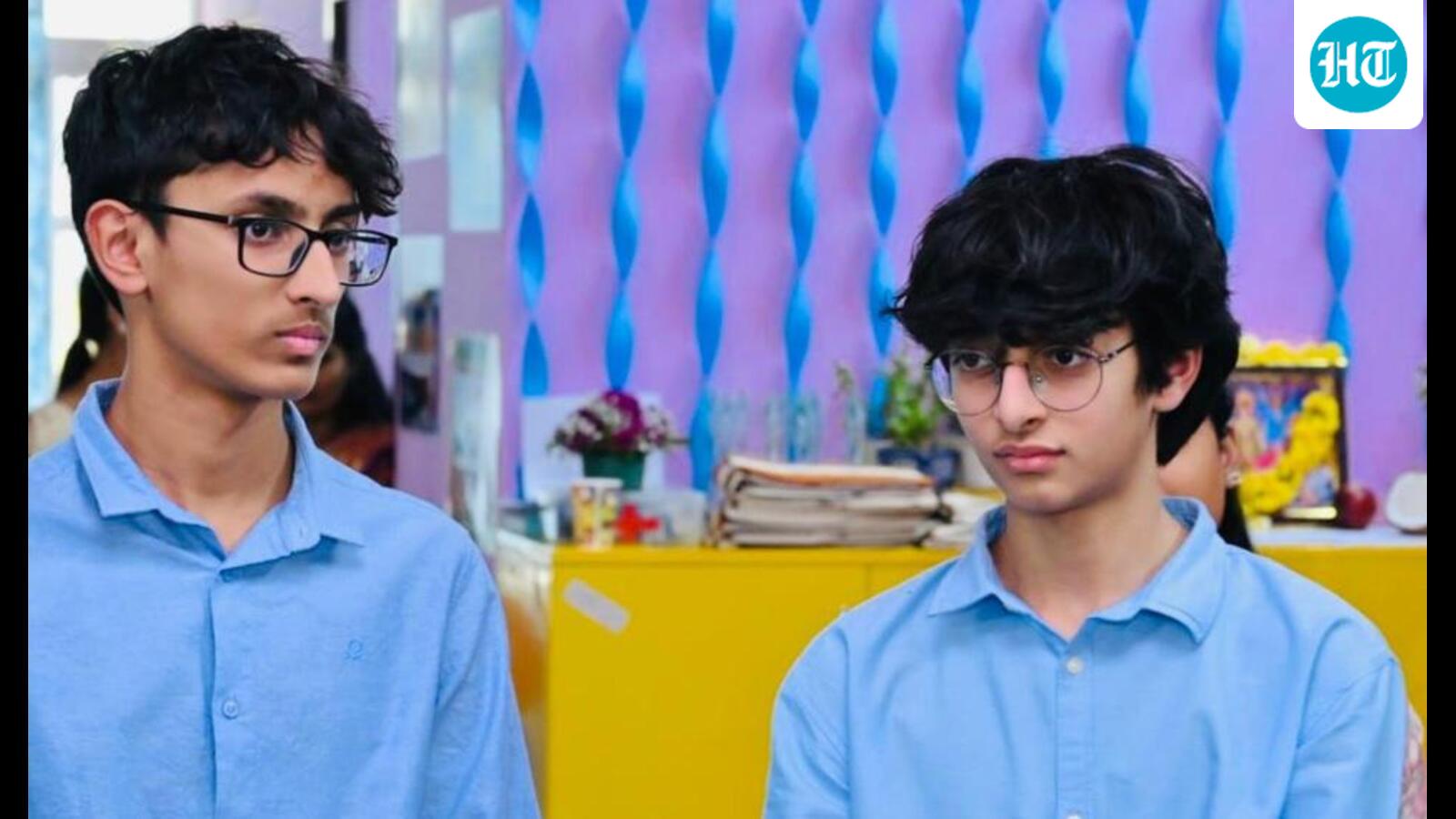
Two 15-year-old students, one from Noida and one from Hyderabad, have built an artificial intelligence tool that reads CCTV footage from day care centres and warns staff within seconds when it sees a possible child-safety incident. The software, called Sajag AI, has started running at 18 Aveksha day care centres run by the Confederation of Women Entrepreneurs of India (COWE), according to officials.
The system works on a computer connected to cameras that are already installed at each centre, so it does not need new hardware. It uses a computer-vision model to study live video, looks for movement patterns that could signal a safety problem, and checks the footage across about three seconds before it raises an alert. Centre coordinators and COWE's monitoring team then get an SMS or email with the incident details and a snapshot from the camera.
The students, Aryaman Taparia and his cousin Shloak Bihani, are both in Grade 10. They built the tool largely remotely and said they had no prior experience with coding or AI and taught themselves as they went. Aryaman said the idea came from seeing one person watching several day care centres on two small screens at once. Officials from the Telangana women and child welfare department and the UN Development Programme felicitated them at the launch on November 13.
The pitch to day care operators is about attention rather than replacement. COWE's founder and director, Uma Ghurka, said staff had been trying to watch many feeds at once and could split their focus. Alerts with a picture let people act while an incident is still happening, not only review it afterwards. COWE has said the tool does not replace caretakers or the decisions they make.
The tool is not yet proven at scale. In early live testing, which used a limited number of staged incidents, the system produced roughly one false alarm every 30 minutes during normal play. COWE says cutting false alerts is a priority before any wider rollout. It also plans a longer pilot across several centres to measure missed incidents, false alarms and reliability under everyday conditions.
Why it matters: child-safety monitoring in day care is often thin, with a few staff covering many rooms. A low-cost software layer on existing cameras could help, but only if false alarms drop and missed incidents are measured honestly. The coming pilot will show whether Sajag AI can do that.
Source reporting: Hindustan Times