Sachin Tendulkar picks Sialkot 57 as career-defining innings of 1989 Pakistan tour
At a Mumbai museum event, the batting great said a rescue act in a drawn Test mattered more to him than the sixes that made headlines.
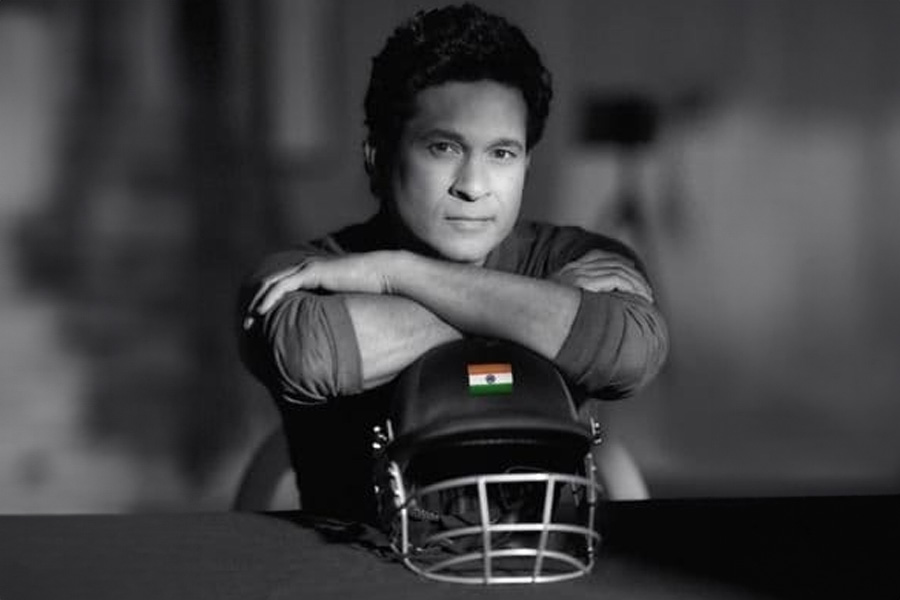
Sachin Tendulkar has named his second-innings 57 in the fourth Test at Sialkot during the 1989 tour of Pakistan as the "career-defining" knock of that series, rather than the six-hitting that most fans remember. He spoke on Monday at the launch of the 'Batography' section of the MCA Sharad Pawar Museum in Mumbai.
India were 34 for four when Tendulkar walked into the contest. According to the account of the innings, he made 57 from 134 balls over 193 minutes, helping India draw the Test and the series 0-0. "That saved the series for us but people only remember those fours and sixes," he said.
The sixes he referred to came in an exhibition match in Peshawar, arranged after rain washed out a scheduled international fixture. Tendulkar said organisers wanted to send a crowd of 25,000 to 30,000 home with some cricket to watch. He recalled hitting Mushtaq Ahmed for sixes before Abdul Qadir challenged him to attempt the same against him. Tendulkar said Qadir later praised his batting, and he put his own score at 53 off 17 or 18 balls.
The distinction he drew is instructive. A short, spectacular innings in an unofficial game left a lasting public image, while a patient rearguard in a real Test, on a tour where he was still a teenager, is the one he values for what it did for his team.
The 'Batography' display follows his career through 25 bats, starting with one given to him by his elder sister, Savita, after a trip to Kashmir. He said he had expected apples and dry fruits, and that the bat stayed with him as he played many sports in childhood. The collection extends to the bat used for his 100th international century in 2012.
Tendulkar also spoke of his family's decision to avoid sponsorship linked to alcohol and tobacco. He said he had an endorsement arrangement but chose not to carry a sponsor's sticker on his bat at the 1996 World Cup, and played with a blank bat for nearly two years.