Rajeev Shukla Says Mohammed Siraj Should Not Be Dragged Into Test Selection Row
The BCCI vice-president says the playing XI call rests with the coach and captain, as a Congress MP's discrimination claim over Siraj's omission gains traction.
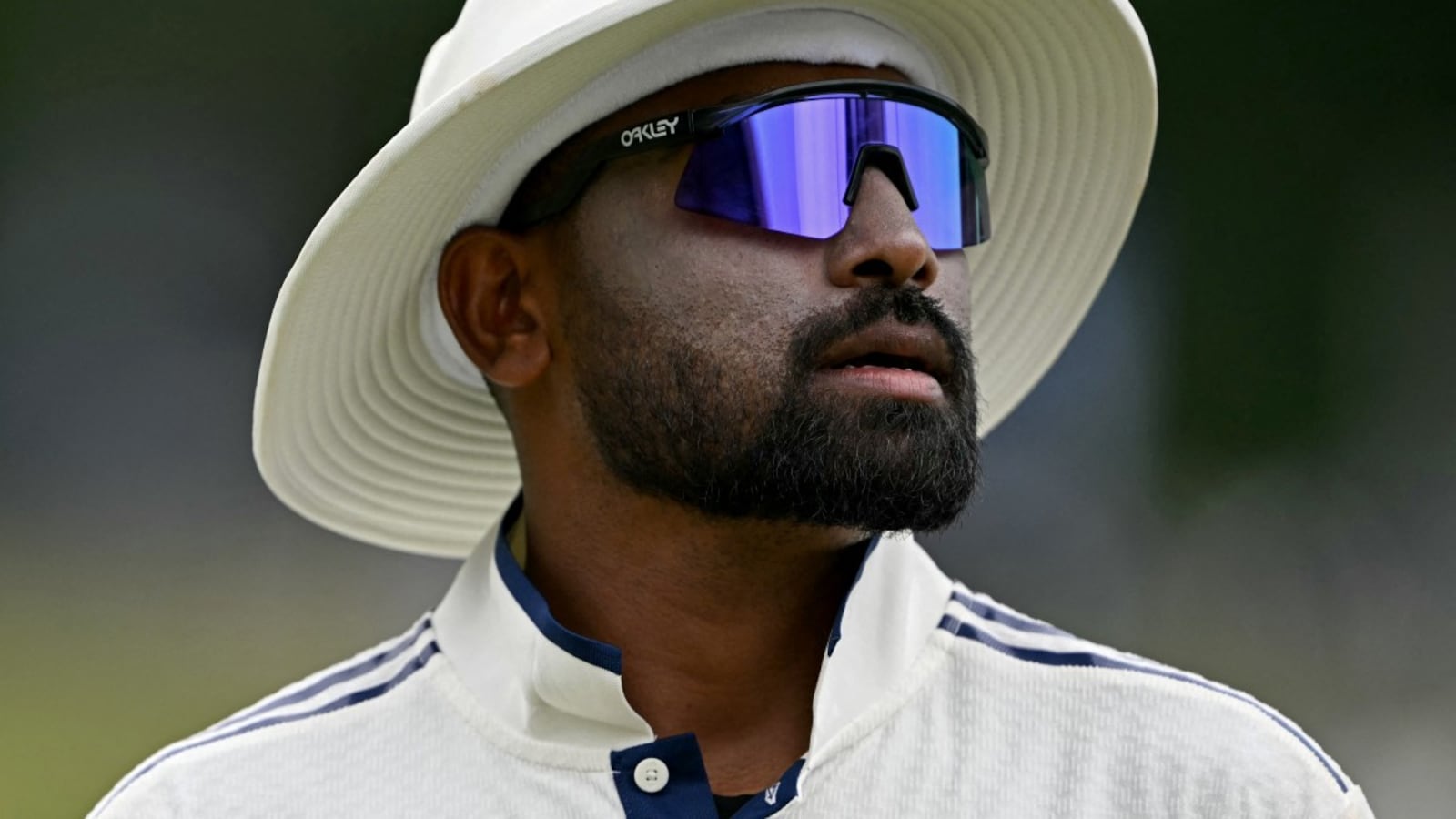
BCCI Vice-President Rajeev Shukla, who is also a Congress Rajya Sabha MP, on Tuesday pushed back against claims that Mohammed Siraj was left out of India's Test team because of his name. Shukla said the pacer should not be pulled into a political fight over his exclusion from the playing XI against New Zealand.
The row started with comments from fellow Congress MP Imran Masood, who argued that Siraj's good form should have earned him a place and that the only explanation left was religious discrimination. On Saturday, Masood widened his attack by naming Mohammed Shami and Sarfaraz Khan, saying selections should depend only on performance and not on where a player comes from.
Shukla's response was that the final eleven is a decision for the team coach and captain, who weigh pitch conditions and other match factors. He argued that being named in the squad is itself a major honour for Siraj, and that turning a team-selection call into a political debate does him no favours. He also said the drawn result could not be blamed on Siraj's absence.
The stakes go beyond one bowler. India's batting dominance did not translate into a win. The team declared on 720/9 in the opening Test and still could not force a result, and the Wellington Test ended in a draw as well. In Wellington, India went with a four-pronged pace attack of Jasprit Bumrah, Prasidh Krishna, Akash Deep and Anshul Kamboj, leaving Siraj out. That call drew questions from cricket experts before the match ended with New Zealand at 239/5.
On the final day, New Zealand's Daryl Mitchell stayed unbeaten on 49 off 186 balls and Glenn Phillips finished on 26 not out from 126 deliveries, as the pair blunted India's attack. Captain Shubman Gill shook hands with the batters with less than an hour left, ending the contest.
Selection decisions rarely spark this kind of political heat, and the exchange shows how quickly a dropped name can become a communal talking point. Whether the coach and captain's reasoning is ever spelled out publicly remains to be seen. For now, the official line from the BCCI leadership is that the call was a cricketing one, not a political one.
Read the original report: NDTV Sports