Pune autorickshaw unions plan Monday strike over bike taxis, protests at MLA offices
Auto unions in Pune and Pimpri Chinchwad say the state has failed to enforce its own rules on two-wheeler taxis, and they are taking that argument to legislators' doorsteps.
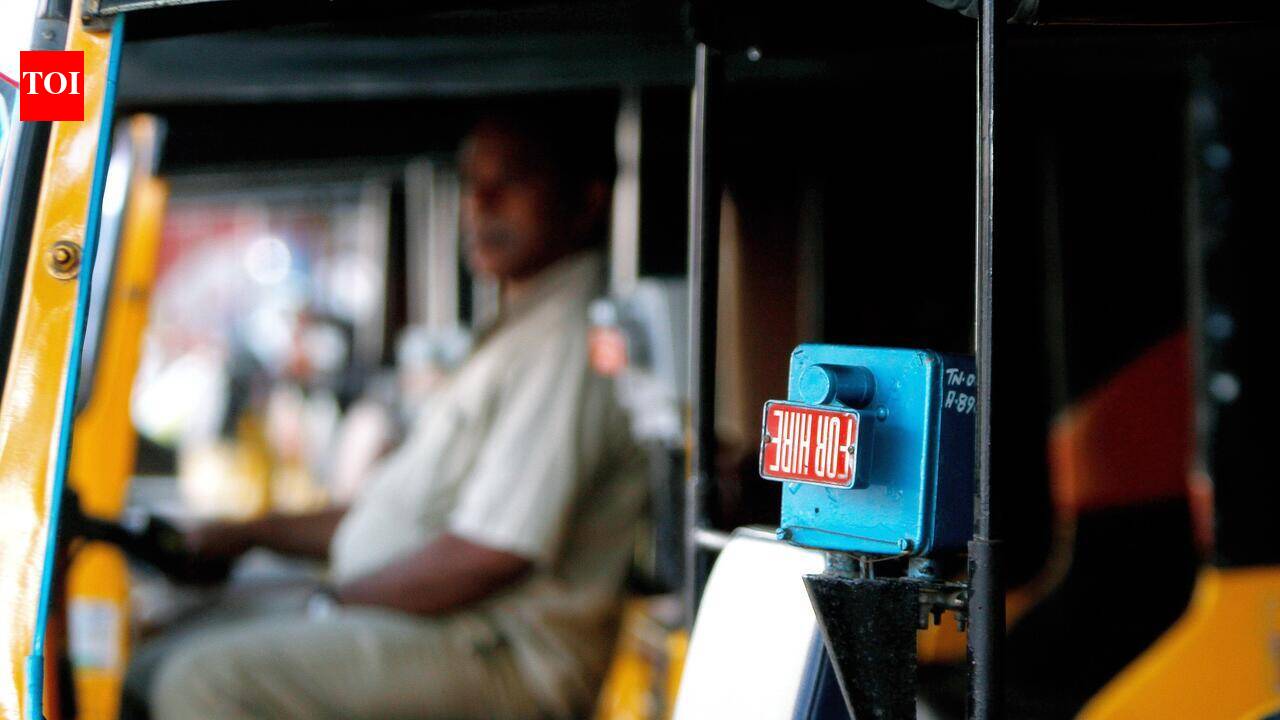
Autorickshaw unions in Pune and Pimpri Chinchwad have called a one-day strike and a series of demonstrations for Monday, demanding action against bike taxis they say operate openly without legal sanction. Rickshaw Panchayat president Pranav Pawar said autos will stay off the roads from 11am to about 2pm, with protests planned outside the offices of two legislators.
The targets are Parvati MLA Madhuri Misal, who is also Minister of State for transport, and Pimpri MLA Anna Bansode, the deputy speaker of the assembly. Pawar said his organisation is not formally part of the strike but supports it, and will channel its energy into the demonstrations. The strike is chiefly organised by the Autorickshaw Taxi Federation of India and the Maharashtra Rickshaw Panchayat, and other unions such as Baghtoy Rickshawala have pledged backing.
The unions' core claim is a gap between law and practice. Pawar argued that carrying passengers on two-wheelers has no legal authorisation, yet the administration lacks the political will to stop it, and he accused the government of effectively pursuing a policy that tolerates bike taxis. Panchayat president Baba Kamble cited the state transport minister's own admission that more than three lakh illegal bike taxis operate in the Mumbai Metropolitan Region. He questioned why enforcement has stalled even after an FIR against Rapido in Pune.
That FIR was lodged by the Pune Regional Transport Office on Oct 18. Police commissioner Amitesh Kumar said at the time that Apple and Google had been asked to remove the bike taxi option from Rapido's app. According to the unions, the matter did not progress, and Uber has since begun bike taxi services too. The sequence illustrates a recurring regulatory problem: platforms can scale faster than licensing rules are clarified or enforced.
For commuters the effect is likely to be immediate, if brief. Suraj Raju, who takes an auto daily from Lullanagar to JM Road, expects scarcity and overcharging during the stoppage. Anil Chorde of Nigdi Pradhikaran, a bank employee, was critical of the unions, arguing that autos and bike taxis both serve a large commuter base and should coexist.
The dispute shows the competing pressures on urban transport policy: drivers fear erosion of already thin earnings, while many riders want cheaper, quicker options. Until the state clarifies the legal status of two-wheeler taxis and enforces whatever it decides, protests of this kind are likely to recur.