Jay Shah reappointed ICC chairman unopposed for second term; Tendulkar, Bindra among well-
An unopposed return to the top job in world cricket drew congratulations from players, administrators and an Olympic champion, and a long to-do list now awaits.
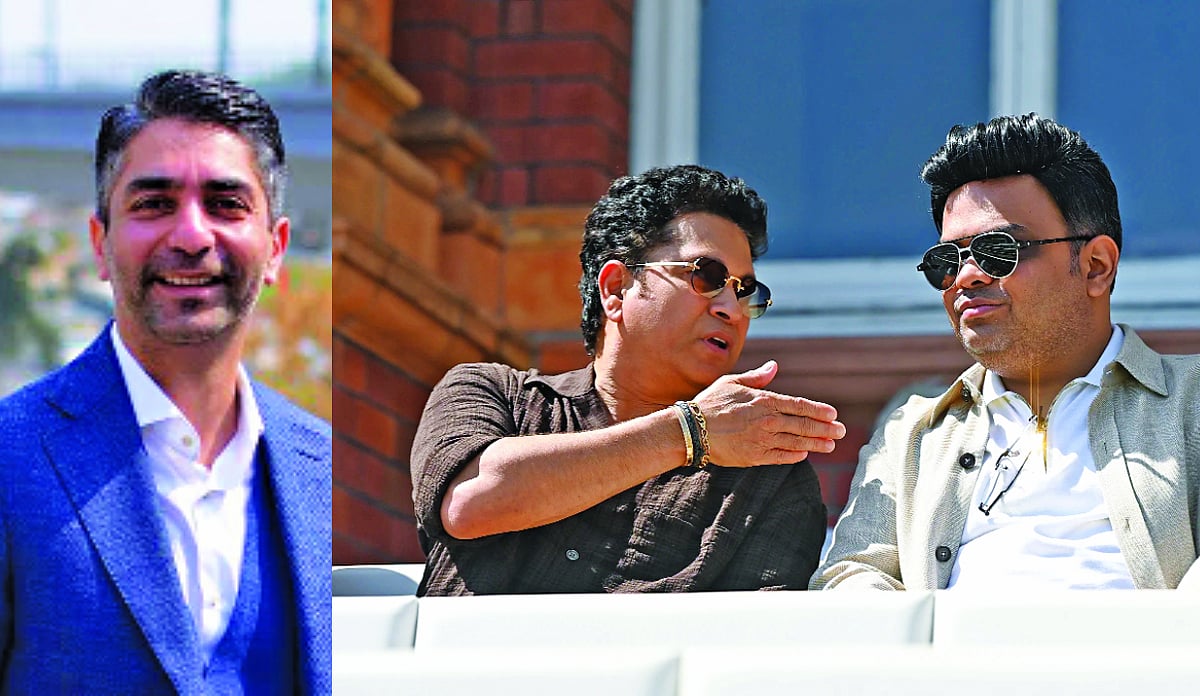
Jay Shah has been reappointed chairman of the International Cricket Council for a second term, with no rival in the field. The ICC said the decision, confirmed at its Board meetings, ensures "continuity at a defining moment for the sport". Shah, 38, took charge in December 2024 after serving as BCCI secretary.
An unopposed re-election is the cleanest mandate in sports politics. It suggests member boards see no appetite for a leadership contest while cricket negotiates Olympic entry, shifting broadcast economics and a crowded calendar.
Congratulations arrived quickly on social media. Sachin Tendulkar credited Shah with working to widen the game's ecosystem and audience, singling out his emphasis on women's cricket. Rohit Sharma, Suryakumar Yadav and VVS Laxman also publicly backed him, with Yadav saying the game has reached new audiences across continents under his leadership.
The most telling endorsement came from outside the cricket bubble. Olympic gold medallist shooter Abhinav Bindra credited Shah with a key role in cricket's return to the Olympic programme at Los Angeles 2028, calling it a chance to inspire a new generation of fans and athletes. Badminton player Saina Nehwal was among other athletes who joined the chorus.
Administrators struck a more measured note. BCCI president Mithun Manhas praised Shah's clarity of vision, while England and Wales Cricket Board chair Richard Thompson described the reappointment as arriving at a crucial juncture. Balancing tradition with innovation, new audiences and changing commercial dynamics, Thompson said, will be critical in the years ahead. The Tamil Nadu Cricket Association also wished him well.
That caution matters. The applause is largely domestic and celebratory, but Shah's second term will be judged on how he handles the commercial and competitive tensions Thompson alluded to, and on whether the Olympic opportunity translates into growth beyond cricket's traditional strongholds.
Read the original report here.