EU envoy Paquet: India trade deal signing targeted for mid-December
The European Union's ambassador to India says the Free Trade Agreement is on course for signing during Prime Minister Narendra Modi's Brussels visit, with an investment pact seen as the necessary second half.
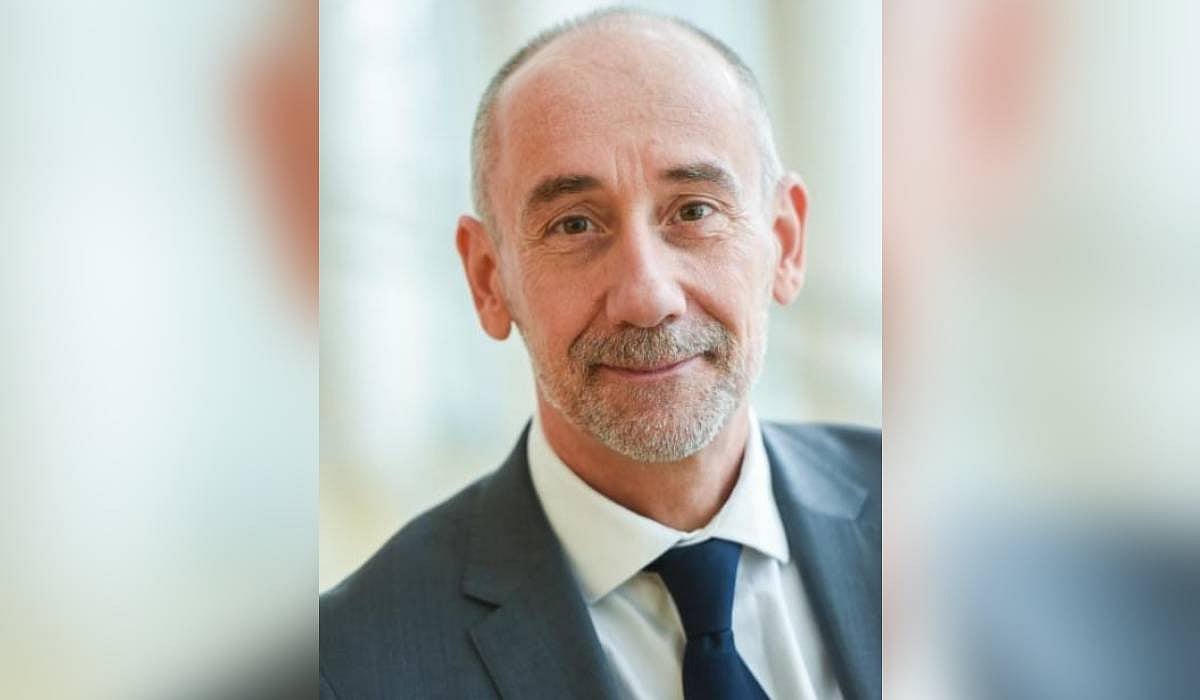
The European Union is aiming to sign its Free Trade Agreement with India in mid-December, during Prime Minister Narendra Modi's visit to Brussels, according to Jean-Éric Paquet, the bloc's ambassador to India. In an interview with The New Indian Express, he said the deal could enter into force in the first half of 2027 if the approval process goes smoothly.
Mr Paquet traced the path to signing. Negotiations concluded in January and the legal text was then finalised. On 11 September the schedule of commitments was published, and the European Commission proposed that ministers proceed to signing. The European Parliament must still scrutinise and approve the agreement before it takes effect.
On the terms, he said tariffs would fall to zero on 99 per cent of Indian tariff lines entering Europe. Indian duties on European goods would drop sharply, in some cases by up to 50 per cent when the agreement comes into force, with further cuts phased in over time. Bilateral trade is currently about €130 billion in goods, or €180 billion including services.
The ambassador stressed that the trade pact is only part of the plan. He said an Investment Protection Agreement, still under negotiation, matters just as much, and he hoped talks could be accelerated and concluded around the time the trade deal is signed. His reasoning was that resilient supply chains need production capacity as well as the free movement of goods, which requires capital and technology to flow in both directions.
He described investment as a shared interest rather than a European demand, noting that Indian firms invest in Europe as European firms invest in India. In his view, European capital and technology could help Indian manufacturers improve product quality, while closer economic ties would support competitiveness, productivity and quality employment.
On concerns among Indian micro, small and medium enterprises, Mr Paquet said firms of that size are covered by both agreements. Larger companies drive much of today's trade, he said, but smaller businesses take part directly through niche investments and supply chains, and would benefit directly and indirectly. He added that the EU recognises support for such firms as a priority for India.
The interview also covered security and technology. Mr Paquet acknowledged that India and the EU differ on some geopolitical questions, including the Ukraine conflict, but said both back the multilateral system and a rules-based order. He described the two sides' positions on maritime security as closely aligned, including on freedom of navigation under UNCLOS. The published excerpt did not give details of the defence plans in the headline.
Read the full interview at The New Indian Express.