Modi in Manila: ASEAN Summit Tests India's Trade and Maritime Ties
Prime Minister Narendra Modi's November 15–17 visit to the Philippines arrives as Southeast Asia looks for dependable partners, and India's trade and investment links with the bloc still fall short of their potential.
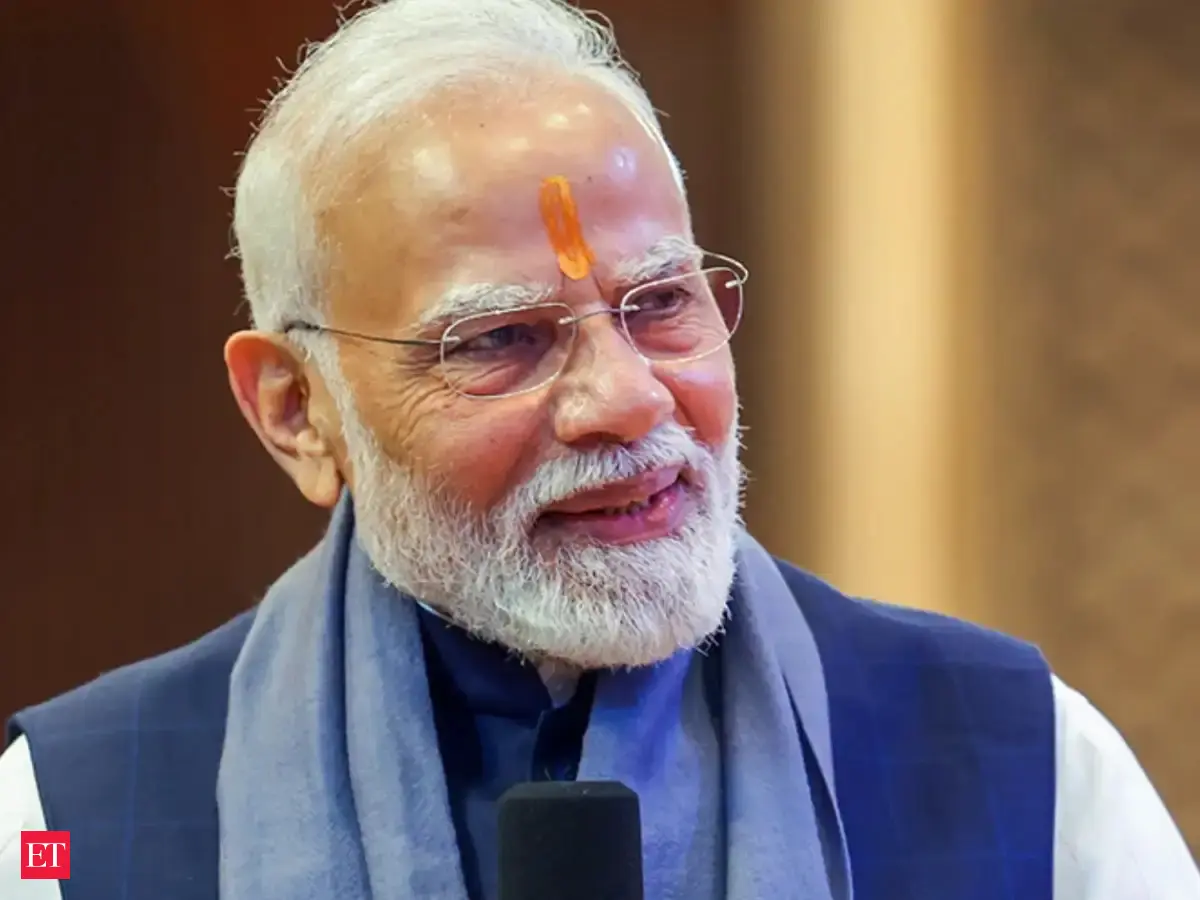
Prime Minister Narendra Modi will be in Manila from November 15 to 17 for the ASEAN Summit and its associated meetings. The visit comes at a time of strategic uncertainty in Southeast Asia, and an accompanying analysis argues that India should use it to put its engagement with the ten-member bloc on a firmer economic and security footing.
The backdrop is familiar. China is more assertive at sea, American policy is harder to predict, and competition for influence across the Indo-Pacific is intensifying. ASEAN members want reliable partners without giving up their freedom of manoeuvre. The analysis says that although India and ASEAN meet regularly and have built up a considerable institutional framework, the relationship has yet to acquire the economic depth or strategic weight its potential suggests.
Maritime cooperation is the most immediate opening. Events in the South China Sea bear on shipping lanes, energy flows and the wider balance of power in Asia, and India has consistently backed freedom of navigation, peaceful settlement of disputes and adherence to international law. With 2026 designated the ASEAN-India Year of Maritime Cooperation, the second joint naval exercise was held at Subic Bay in the Philippines in September. The analysis points to maritime domain awareness, coast guard training, hydrographic assistance and information sharing as areas for further progress. The Philippines and India are due to co-host a conference on maritime security and emerging technologies in 2027.
The commercial picture is more mixed. Bilateral trade reached $128 billion in 2025-26, but India ran a deficit of about $51 billion. A review of the ASEAN-India Trade in Goods Agreement has dragged on and is expected to continue into 2027. The analysis urges New Delhi to press for fairer market access, stronger rules of origin and effective remedies against non-tariff barriers. It also wants a modernised pact to help Indian firms join regional manufacturing networks, with openings in electronics, pharmaceuticals, services, renewable energy and emerging technologies.
Investment flows are sizeable but narrow. From January 2000 to the end of 2025, cumulative FDI from ASEAN countries into India reached $197 billion, while Indian investment in the bloc has passed $70 billion. Singapore dominates both directions. Indian companies have put capital mainly into IT hubs, telecom infrastructure, pharmaceutical plants and maritime logistics. The analysis calls for wider spread into consumer goods, electronics, auto components, green energy infrastructure, fintech, deeptech and biotech, among other sectors.
Physical connectivity is a weaker spot. The Trilateral Highway and the Kaladan multi-modal project remain stalled because of the political situation in Myanmar, so the analysis suggests giving priority to digital links. It also recommends more work on solar power, electricity grids and energy storage, together with quick-impact projects and educational and cultural exchanges, to establish India as a long-term development partner. Mr Modi is also scheduled to hold a bilateral meeting with Philippine President Ferdinand Marcos Jr.
Read the original analysis at The Economic Times.