West Bengal minister Tapas Roy courts industry with new investment policy, 120% FCI aid
The state's industries minister told 250-plus business leaders that Bengal's new incentive framework targets 15 sectors and aims to make it a leading manufacturing hub by 2031.
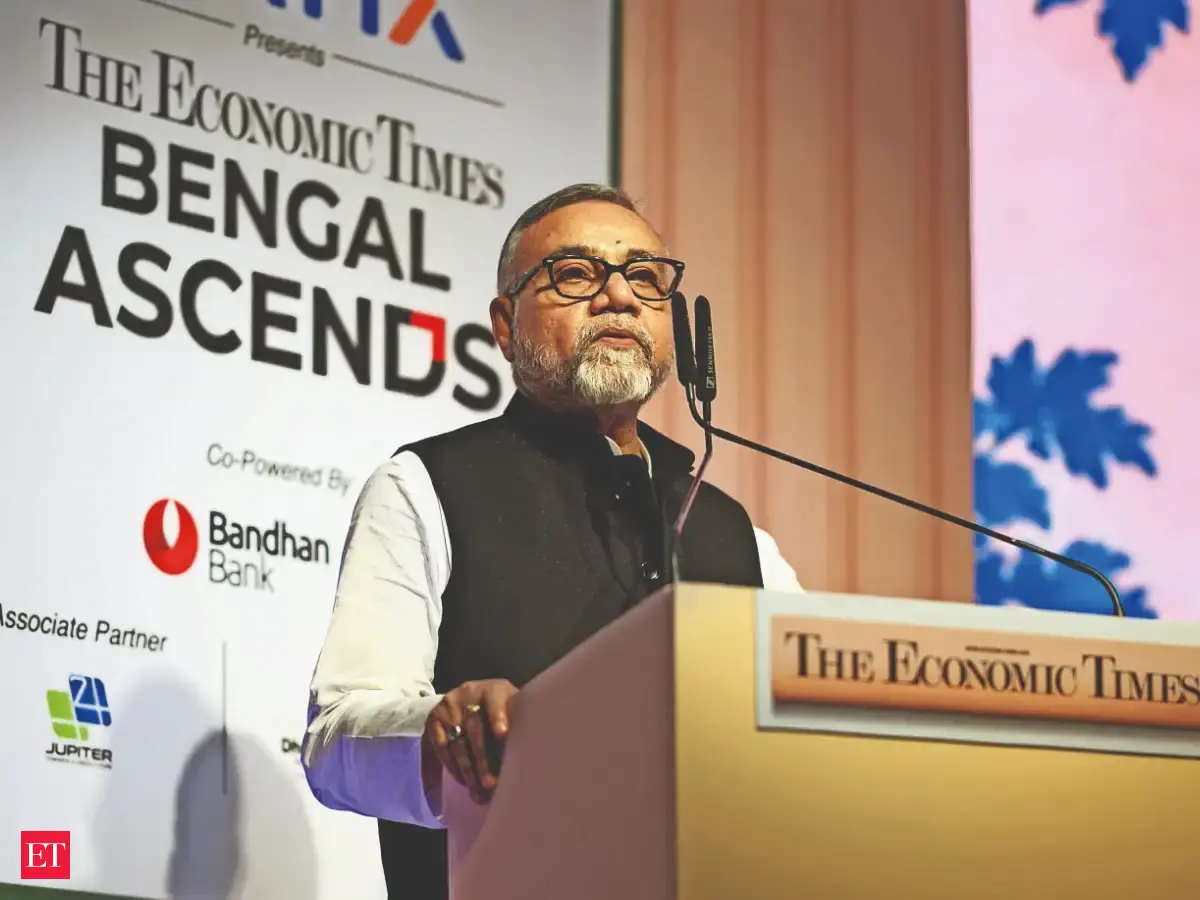
West Bengal's industries minister Tapas Roy has invited businesses to partner with the state in an industrialisation push, outlining a new investment promotion policy that offers investment-linked assistance of up to 120% of eligible fixed capital investment (FCI). He spoke on Tuesday at The Economic Times Bengal Ascends event, attended by more than 250 industrialists, entrepreneurs and chief executives.
Roy, who holds the commerce, industry and enterprises portfolio along with public enterprises, industrial reconstruction and non-conventional energy, said the Suvendu Adhikari government wants to restore Bengal's earlier standing in India's industrial landscape. He said the state is already seeing interest from domestic and overseas investors.
What the policy offers
The assistance applies to manufacturing and non-service units. Existing units that expand or diversify can also qualify if their FCI rises by 25%, new productive space is created and the prescribed direct employment per acre is met. Not-for-profit institutions such as hospitals, medical colleges and universities may be eligible too, subject to a minimum investment of ₹100 crore and other conditions. The source text was cut off before the remaining conditions were stated.
The government will prioritise districts that fall below the state median on the industrial development index.
Sectors and land
The policy names 15 thrust sectors, including semiconductors and electronics, green hydrogen and waste-to-energy, emerging digital technologies, electric vehicles and batteries, defence manufacturing, and food and marine processing. Other priorities are textiles, biotechnology, pharmaceuticals and medical devices, critical minerals processing, automobiles, R&D, specialty steel, petrochemicals, aviation, shipbuilding and maritime training.
On land, Roy promised GIS-mapped industrial plots and time-stamped allotment. Brownfield sites and notified industrial corridor parks will get priority, with a single-window system and service-level timelines. A separate industrial land policy, a startup policy and sector-specific policies are planned.
Roy said the state has recently received proposals from Amul, Lux Cozi, Shyam Steel, Amit Metaliks and Haldia Petrochemicals. He pitched Bengal as India's gateway to the East and Asean, citing its ports, rail and road links, skilled workforce and large consumer market. The stated goal is to make the state a leading industrial, manufacturing and investment hub by 2031. Whether the incentives translate into commitments will depend on how quickly the promised land and approval systems are put in place.