Wall Street tumbles as Nvidia CEO Jensen Huang resigns; Nasdaq slips into correction
A single resignation lit up an already jittery AI trade, and now investors face Nvidia's earnings, Fed minutes and an Anthropic IPO in one week.
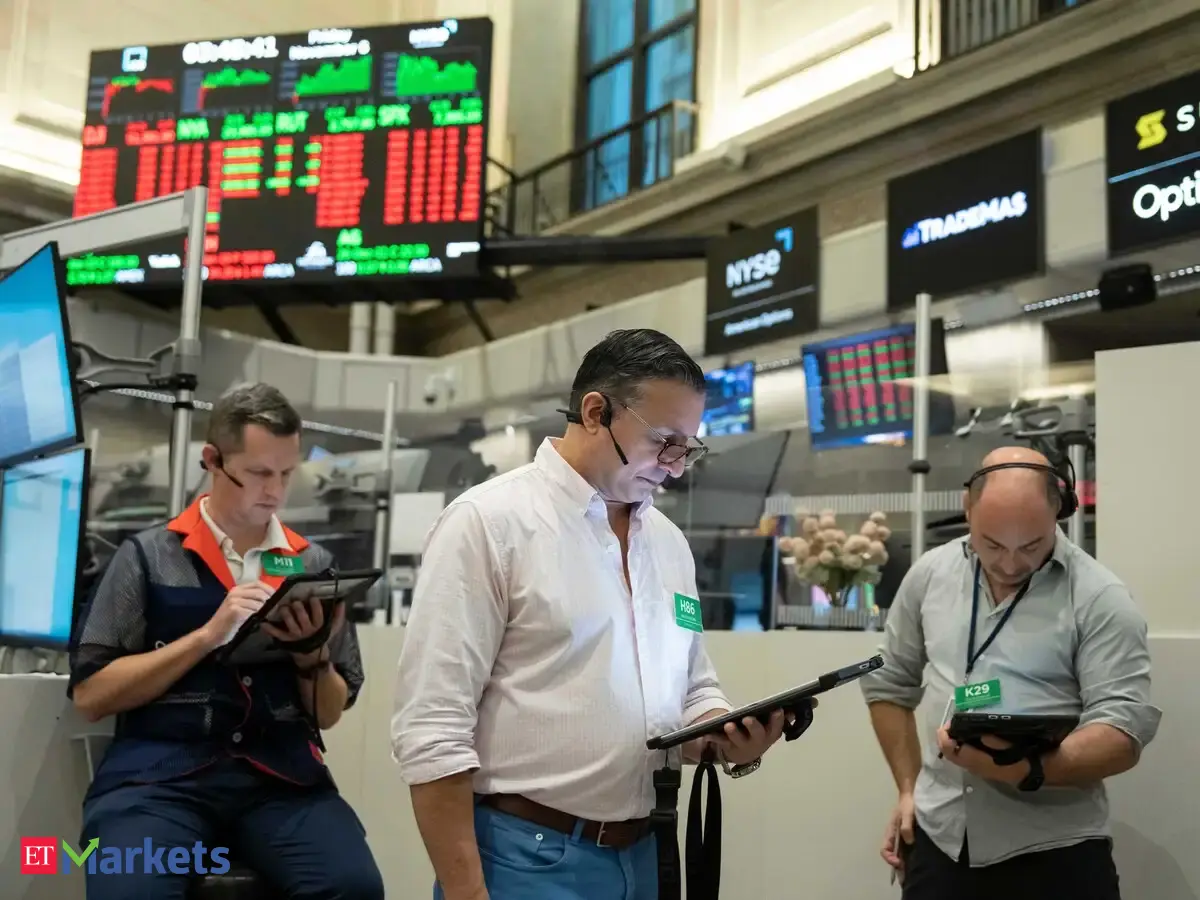
US stocks sank on Monday after Nvidia CEO Jensen Huang resigned, giving nervous investors another reason to dump AI shares. The Dow Jones Industrial Average lost 721.40 points, or 1.38%, to close at 51,626.15. The S&P 500 fell 1.89% to 7,418.41, and the Nasdaq Composite dropped 2.47% to 24,516.11.
The Nasdaq now sits more than 10% below its record close of October 6. That officially puts the tech-heavy index in a correction, which is Wall Street's term for a drop of 10% or more from a peak. Chips took the worst of it: the Philadelphia Semiconductor Index fell 4.6%, and Nvidia shed 4.2%, leading all of the Magnificent Seven megacap tech stocks lower.
Huang's exit followed allegations of an affair with a woman suspected of spying for China, according to the source report. That landed on top of existing worries about how fast AI is expanding and what could go wrong. The Trump administration then announced new limits on China's access to advanced AI chips from firms like Nvidia, ahead of an expected meeting between President Trump and China's Xi Jinping.
The pain spread well beyond Nvidia. Intel and Micron fell sharply, and Micron was among the S&P 500's biggest losers, down 7.35%. AI cloud providers CoreWeave and Nebius dropped too. Alphabet, Amazon and Meta ended substantially lower, and server makers Dell and Super Micro Computer posted steep losses.
Not everything fell. Health insurers led the gainers, with Molina Healthcare up 10.88%, Centene up 5.18% and Elevance Health up 3.93%. Tyson Foods rose 8.41%. Baird's Ross Mayfield told Reuters this looks less like panic and more like investors "probing other corners of the equity market." He described recent days as a swing between AI stocks surging one day and freefalling the next.
Even after the slide, the chip rally is far from erased. The semiconductor index was up 106.6% for the year by mid-June and has since cooled to about 43%. That is still roughly four times the S&P 500's 2026 gain. The question is whether big spending on AI will pay off, and Fed Chair Kevin Warsh raised it on Monday. He said the technology could bring stronger growth with widely shared gains, or higher unemployment and a slowdown if the expected investment returns never arrive.
The week offers several tests. Nvidia reports earnings on Tuesday, with analysts expecting a 90.4% year-over-year rise in earnings on revenue of $109.10 billion. Anthropic's IPO is due later in the week. On Wednesday, the Fed releases minutes from its latest meeting. Markets put a 96% probability on a 25-basis-point rate increase in December, per the CME FedWatch tool.