Uber, Mahindra Sign MoU for 5,000 Electric Autos in Mumbai Within a Year
The tie-up promises financing and trade-in support for drivers, but Mumbai's thin charging network and steep upfront costs could decide how fast the plan moves.
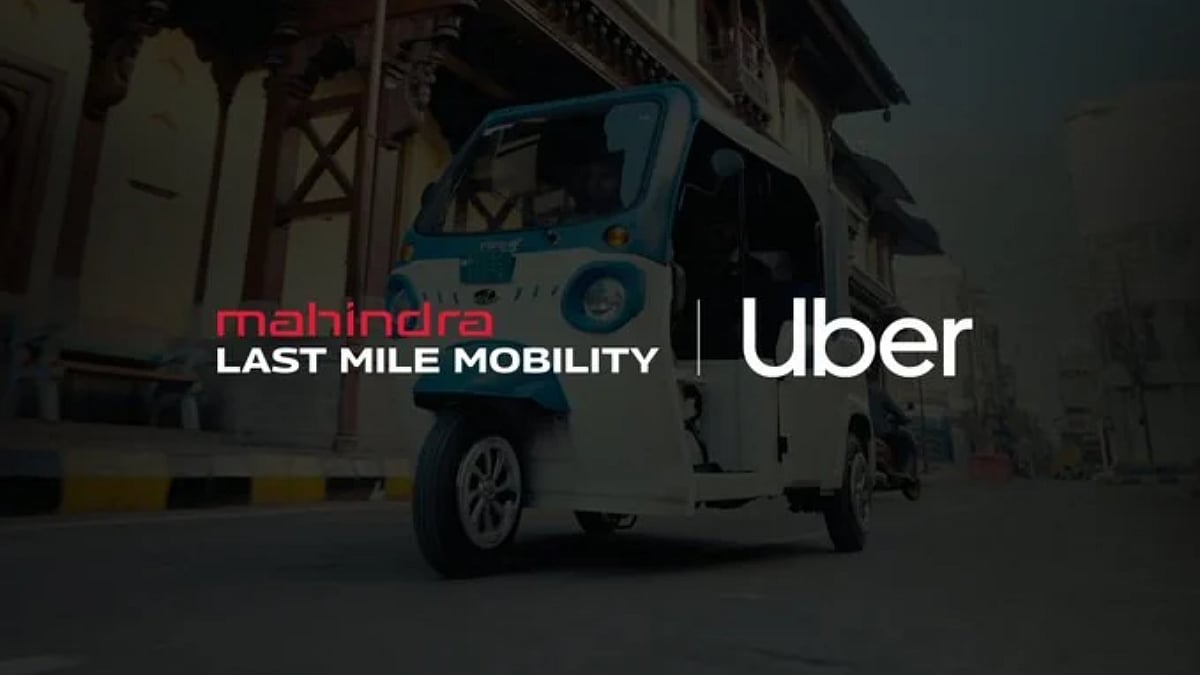
Uber and Mahindra Last Mile Mobility have signed a memorandum of understanding to help put 5,000 electric auto-rickshaws on Mumbai's roads over the next 12 months. The vehicles are expected to run exclusively on the Uber platform, giving drivers a steady stream of ride demand from day one.
The pitch is built around driver economics. The companies plan to offer financing options, trade-in incentives and other support to help drivers swap petrol, diesel or CNG-powered autos for electric three-wheelers, with a particular focus on markets where EV adoption is still low.
Suman Mishra, managing director and CEO of Mahindra Last Mile Mobility, framed the logic plainly: the shift will scale only when it works for the driver first. Making electric mobility a better economic choice for drivers and entrepreneurs, she said, is what makes the impact sustainable. For a market-watcher, that is the key signal: this is a bet on unit economics rather than on goodwill towards green transport.
Uber's Global Head of Mobility, Pradeep Parameswaran, tied the deal to a broader goal of building an urban mobility ecosystem where public transport and shared services complement each other. Uber also showcased Connected Journeys, which is being rolled out progressively in India, starting with Mumbai and Delhi. It lets commuters combine metro rides with first- and last-mile options such as autos and two-wheelers, while comparing routes, estimated travel times and fares.
The catch is power. A survey of 1,200 auto-rickshaw and taxi drivers across Mumbai's 24 municipal wards, run by the Waatavaran Foundation and partner organisations, found that 62 per cent see inadequate charging infrastructure as a major obstacle to going electric. Another 60 per cent pointed to the high purchase price of EVs.
The city's public network shows why drivers worry. The BMC's Climate Budget for 2025-26 says BEST had set up public charging at 57 locations with 276 chargers. Only 51 of those stations were operational, with six still under development. Set against a target of 5,000 new e-autos, that is a modest base.
The takeaway for the morning ahead: the financing side of the equation is moving, and that matters because upfront cost is a top driver concern. Whether the 5,000 figure is reached on schedule will likely depend on how quickly charging catches up with the vehicles. If it does, Mumbai could become a showcase for platform-led electrification of everyday urban transport.