Stockport MP urges Indian visitors to look beyond London to Britain's North
In a Daily Pioneer opinion piece, the Stockport MP argues that Britain and India should build new ties on trade, industry and culture rather than on colonial history alone.
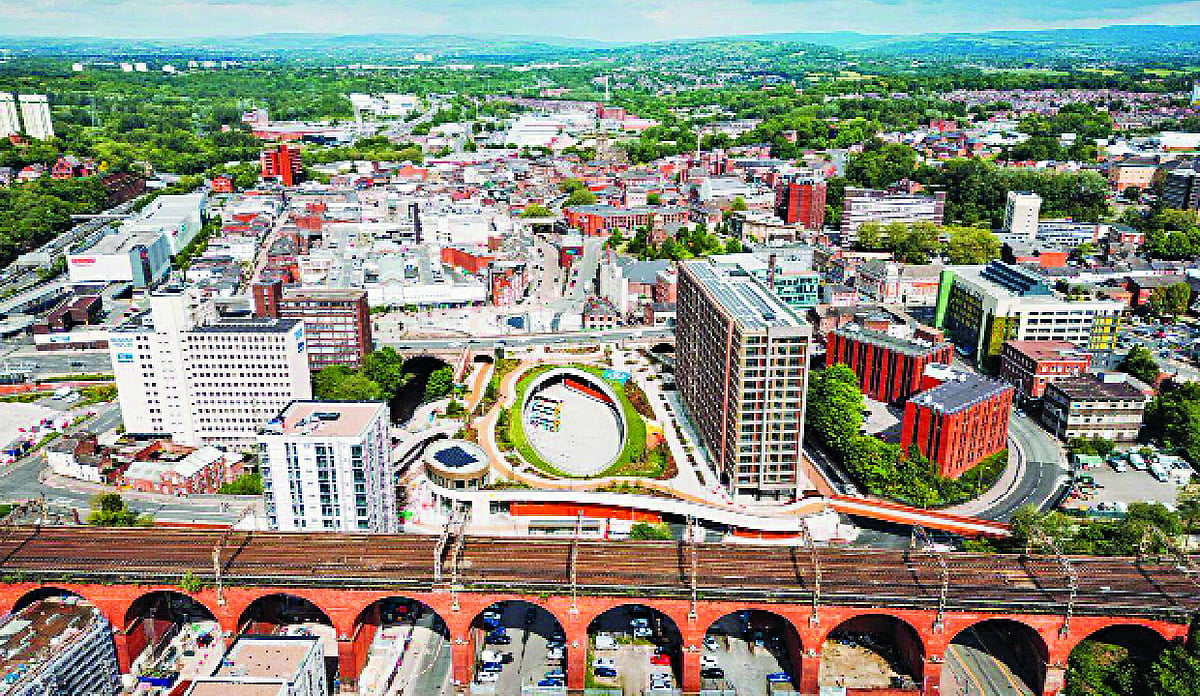
The Member of Parliament for Stockport has called for closer ties between Britain and India that look forward as well as back, and has urged more Indian visitors to explore the North of England. Writing in the Daily Pioneer, the MP acknowledged that colonialism remains a legitimate subject in bilateral discussions and that its lasting consequences must still be addressed. The relationship, the MP argued, should not be defined by that past alone.
The core of the argument is that the two countries can create new shared foundations for the modern era, built on technology, industry, trade, culture and mutual prosperity. Tourism is presented as one practical route. The MP noted that international visits remain heavily concentrated in London and the South East, and cited a considerable gap in overnight trips: London recorded 15.8 million in 2025, while Manchester recorded 5.3 million in the most recent year. The MP suggested that wider international visits to the North would promote cultural understanding and community links, not merely tourism revenue.
The piece makes a case for Stockport's heritage. The town is identified as the source of the River Mersey and as a site associated with the early cotton mills of the Industrial Revolution. The Hat Works, described as Britain's only museum devoted to the hatting industry, is highlighted for collections that include connections with India. Stockport County Football Club, founded in 1883 and now competing in English Football League One, is also cited as part of the town's identity.
Commercial links feature prominently. The op-ed points to Welspun India Ltd, the company behind the Christy brand, which has a presence in Stockport and supplies towels used by players at the Wimbledon Championships. The author presents this as evidence that the relationship between the two countries already operates in modern business, not only in historical memory.
The article also returns to the 1931 visit by Mahatma Gandhi to Lancashire mills, where he met workers, stayed with their families and expressed sympathy for their working and living conditions. The piece describes that visit as an example of mutual respect between workers in both nations. A statue of Gandhi in Manchester city centre, unveiled in 2019, is cited as a further reminder of that connection, and the author says they make a point of visiting it each year.
The opinion piece is significant as a political argument for regional investment in tourism and cultural diplomacy at a time when Britain and India are seeking to deepen economic and people-to-people ties. Its central claim is that dispersing international interest beyond the capital would broaden those relationships. Readers can view the original opinion piece at Beyond History: Britain and India chart a shared future.