Siang Upper project: India weighs 11,200 MW dam against China's Tibet build and Adi opposi
India's proposed Siang Upper Multipurpose Project in Arunachal Pradesh is framed as a strategic counter to China's Yarlung Tsangpo dam, but it faces resistance from indigenous Adi communities.
India's proposed 11,200 MW Siang Upper Multipurpose Project (SUMP) in Arunachal Pradesh has become a test of how New Delhi balances strategic goals in the eastern Himalayas against the concerns of the communities who live along the river. A commentary published by Deccan Chronicle describes the project as the centre of a security and domestic deadlock.
The argument for the dam rests largely on China's activity upstream. According to the commentary, Beijing formally began construction of a major hydropower project at the Great Bend of the Yarlung Tsangpo in Medog County, Tibet, in July 2025. The project is expected to include five cascade power stations and produce roughly 300 billion units of electricity a year. China says the project serves its energy needs and clean-power goals.
The commentary says India's worries go beyond reduced flows. An upstream state that controls a river sustaining millions of people downstream holds leverage, it argues, through the potential for sudden water releases, seasonal changes in discharge, sediment movement, ecological damage and access to hydrological data.
The legal framework is thin. India and China have no binding water-sharing treaty on the Brahmaputra, as the Yarlung Tsangpo is known downstream. Cooperation has depended on memorandums of understanding for exchanging flood-season data. The latest such MoU expired on June 5, 2023, and data sharing has been suspended since that month, the piece notes.
Supporters therefore present SUMP as more than a power plant. They describe it as a possible tool for water storage, flood moderation and managing the effects of upstream interventions, and as a way for India to assert its rights as a riparian state. Arunachal Pradesh Chief Minister Pema Khandu has argued that about 65 per cent of the Siang's water originates in China and that India cannot be unprepared for developments there. The commentary also links the dispute to Beijing's claim over Arunachal Pradesh, which it calls South Tibet or Zangnan, and to its May 2025 list of 27 Chinese names for places in the state. India has rejected those claims.
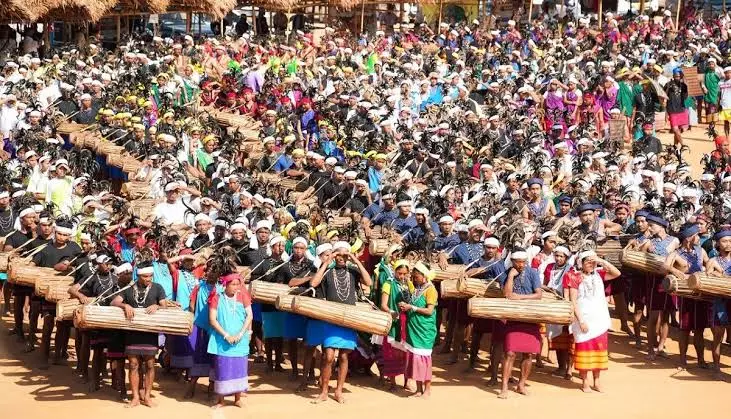
The other side of the debate is local. For the indigenous Adi people, the commentary says, the Siang is Aane Siang, or Mother Siang, bound up with their beliefs, agriculture, folklore and identity. Submerging ancestral villages, fields and sacred sites would mean far more than relocating households, it argues. The source text is truncated at the point where it turns to the opposition to the project.
The standoff leaves New Delhi weighing a strategic case for rapid infrastructure against the consent and welfare of affected communities. Source: Deccan Chronicle.