Huawei Convicted in New York of Trade-Secret Theft and Bank Fraud
A U.S. jury found the Chinese telecom giant guilty of two of its charges but cleared it of racketeering, and the company says it will appeal.
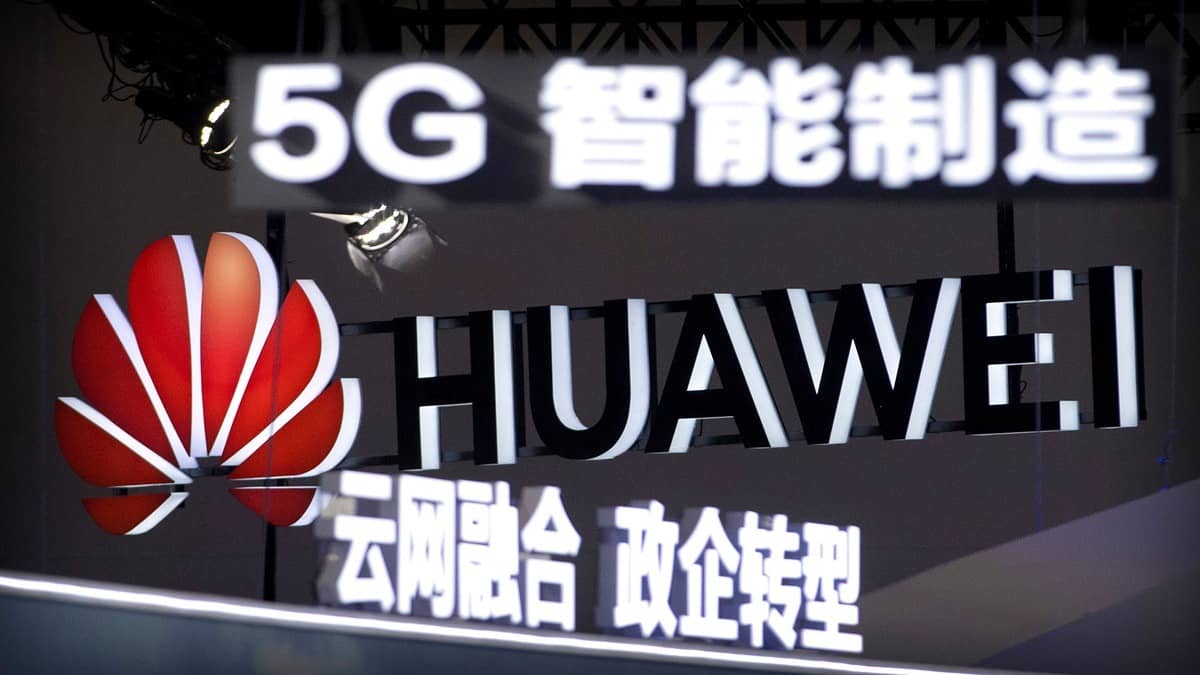
A federal jury in New York on Tuesday convicted Huawei Technologies of conspiring to steal trade secrets and of bank fraud. The verdict lands on a company that became one of the world's largest suppliers of equipment for wireless networks, and it could carry a penalty running into the billions of dollars.
The jury did clear Huawei of the charge that carried the heaviest weight: a racketeering conspiracy. Racketeering laws are usually used against organized crime and drug rings. Prosecutors argued that Huawei ran its operations like a criminal enterprise, repeatedly taking intellectual property from rivals and partners in the United States and abroad. The jury also acquitted the company of conspiring to obstruct justice.
The convictions were not the only allegations the government pressed. Prosecutors said Huawei did business in countries under U.S. sanctions, including Iran and North Korea, and gave false information to American officials and banks to conceal that activity.
Court records describe several episodes of alleged theft. Prosecutors said Huawei once sold internet routers running source code copied from a competitor. In another case, an employee was said to have entered a rival's booth at a Chicago trade show and photographed the circuitry of a networking device. A separate allegation described a worker taking a robotic arm from a competitor's lab so it could be copied and measured. Companies named as victims include Cisco Systems, Motorola Solutions, T-Mobile, Quintel USA and Fujitsu.
Huawei's lawyers say the company will appeal. They argue that the government took isolated misconduct by a handful of the company's more than 200,000 employees and built a larger conspiracy story that the evidence did not support. The acquittals on the most serious counts, they say, show the jury rejected that broader picture.
The verdict's effect on Huawei's business is hard to predict. The company has been shut out of selling equipment to U.S. carriers for years over security concerns, and Canada and Britain have also barred it. Still, its phones and telecom gear sell widely around the world, and it has moved into chipmaking, where it is becoming a major domestic alternative to chips from Nvidia in China as demand for AI hardware climbs.
China's government has called the case an example of economic bullying and said Washington uses national security as a cover for pressing Chinese firms. The U.S. first filed charges against Huawei in early 2019 and later widened them. The trial started in September, and the case is far from over, since the appeal will decide whether these convictions stand.
Read the original report at Republic World.