Hebbal Lake tunnel: BDA says it's a tank, not a wetland, as critics push back
The Bangalore Development Authority says Hebbal Lake falls outside the legal definition of a wetland, but environmentalists say the ecology and court-backed protections still apply to the tunnel project.
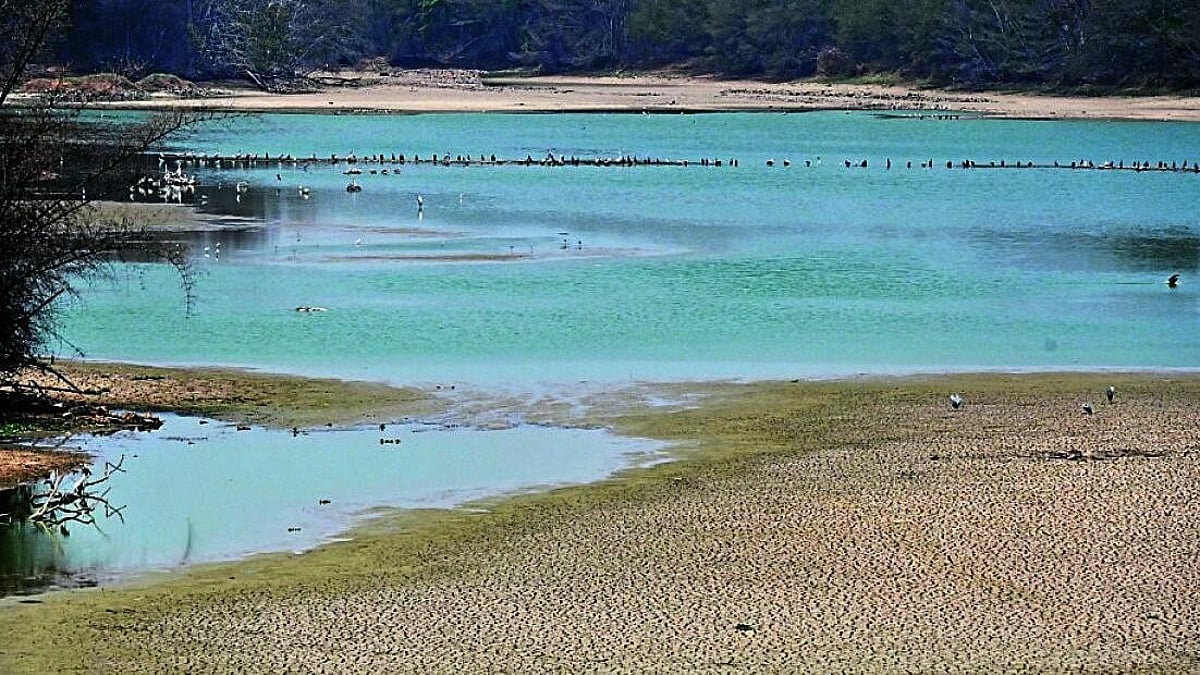
The Bangalore Development Authority (BDA) says Hebbal Lake is a man-made irrigation tank and therefore not a wetland under the Wetlands (Conservation and Management) Rules, 2017. Environmentalists dispute that reading as the proposed Hebbal tunnel in Bengaluru draws scrutiny, saying the lake's ecological role and existing protections cannot be set aside because of how it was originally built.
The label matters because it decides which rules apply. It shapes what legal protection the lake gets, whether construction near its ecosystem is allowed, and what environmental assessments a project must clear first.
The BDA's case rests on Rule 2(1)(g) of the 2017 Rules, which excludes certain human-made waterbodies, including those built for irrigation and drinking water. Citing the Mysore Gazetteer of 1897 and 1929-30, it says Bengaluru's plateau waterbodies were mostly embanked valley-stream tanks, and that Hebbal was known as Hebbal tank. On that basis, it says the lake is governed under the Karnataka Tank Conservation and Development Authority Act, 2014.
A BBMP project report on restoring the lake also calls it a man-made tank, and describes its condition as mesotrophic, meaning moderate nutrient levels. The report adds that the classification does not settle its legal status. It notes that urban waterbodies have taken on wetland functions over time, such as trapping sediment, easing floods, recharging groundwater and sheltering migratory birds and aquatic life. It proposed desilting, a new bund, restored inlet streams and dedicated sewage diversion drains.
An October 2025 Supreme Court ruling on Futala Tank in Nagpur adds weight to both sides. The Court upheld the tank's exclusion from the statutory wetland definition because it was built for irrigation and drinking water. It also said the Public Trust Doctrine applies to man-made waterbodies. The ruling does not automatically decide Hebbal's status, which depends on its own history, notifications and circumstances.
D T Devare, co-founder and trustee of Bangalore Environment Trust, says Hebbal is a wetland and that the tunnel raises concerns under existing judicial protections. He says the tunnel passes through a wetland area, while the BDA says the work is beneath the bund, not the lake. Calling this "a technical fix", he also points to the Supreme Court's 2017 directions on wetlands mapped under the 2010 Rules, which did not separate man-made from natural waterbodies, and to the Ramsar Convention, whose broad definition includes artificial waterbodies.
The dispute turns on whether the legal category or the ecological reality governs the project. Even if the BDA's classification holds, the Public Trust Doctrine and the BBMP's own findings on the lake's functions keep the environmental questions open. Source: Deccan Herald.