COP31 Antalya Climate Talks Collapse, Extending a Long Run of Stalled UN Summits
The breakdown in Antalya adds another entry to a three-decade record of UN climate conferences that ended in acrimony, partial deals or outright failure.
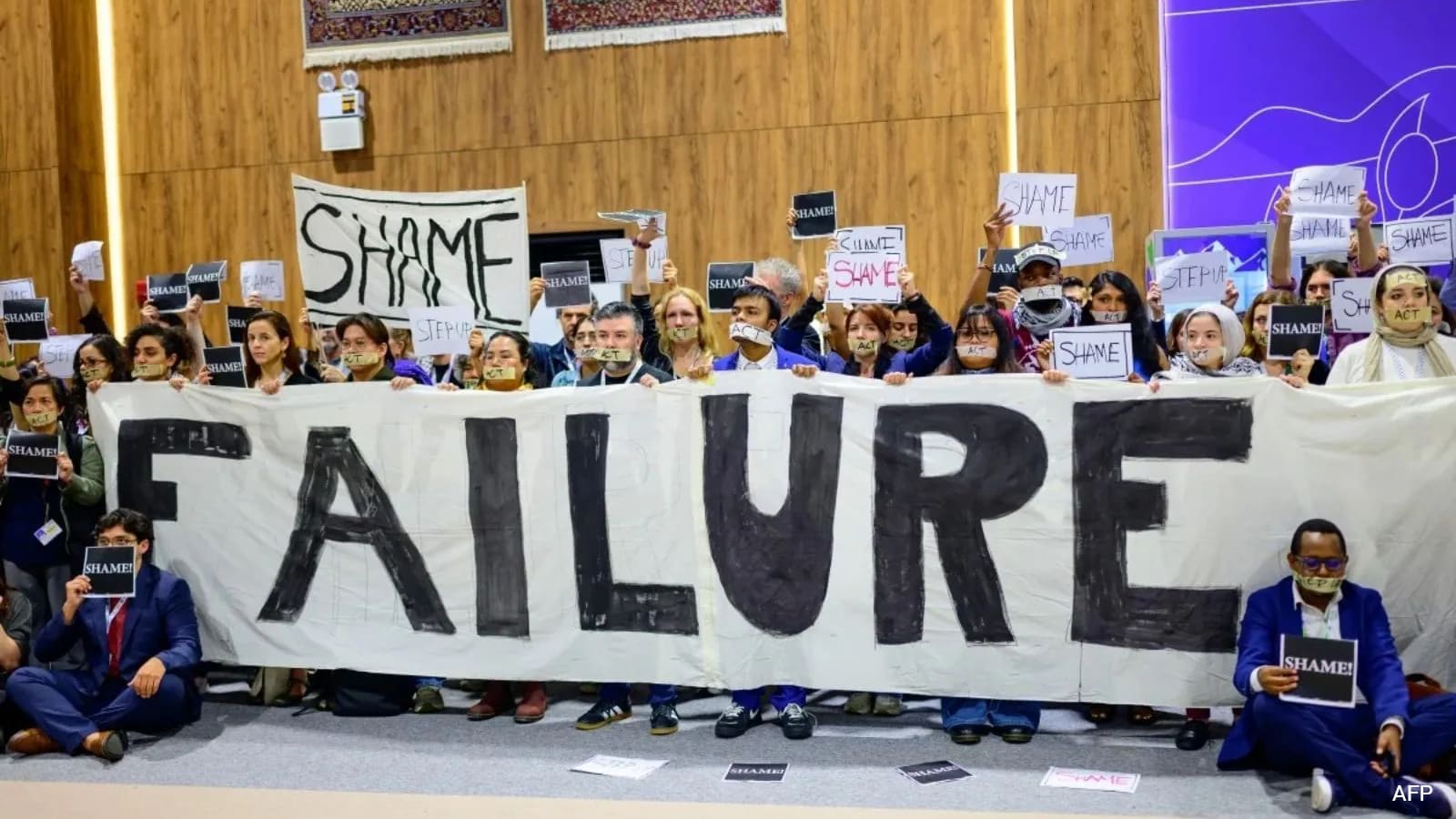
The COP31 climate negotiations in Antalya ended without a successful outcome, the latest disappointment at a UN environmental summit. Failure at these meetings is not new. Since the first Conference of the Parties in 1995, several major gatherings have collapsed into bitter exchanges or stalled over the absence of consensus, a pattern that shapes how observers judge the Antalya result.
The record goes back to 2000, when COP6 in The Hague was suspended before resuming months later in Bonn. That meeting unfolded alongside a disputed US presidential election, and the eventual arrival of a president who rejected the Kyoto Protocol ironically pushed other governments to advance their own implementation plans. A former French chief negotiator later described the Hague round as ending in chaos.
The 2009 Copenhagen summit, held after high hopes followed the election of Barack Obama, is often cited as the clearest example of ambition outrunning politics. It did not produce the binding treaty many had anticipated. Divisions between rich and developing countries, and especially between Washington and Beijing, blocked mandatory emissions cuts, and delegates only agreed to note the non-binding Copenhagen Accord, which carried a below-2C warming goal and a pledge of $100 billion a year in climate finance by 2020.
Later rounds followed a similar arc of partial progress. The 2012 Doha conference extended the Kyoto Protocol, but without the United States, Russia or Canada, and critics said it covered a shrinking share of global emissions. In Madrid in 2019, COP25 overran by more than 40 hours, the same length of delay reported at Antalya, and still failed to settle rules for international carbon markets under Article 6 of the Paris Agreement. In Sharm el-Sheikh in 2022, COP27 created a loss and damage fund for vulnerable nations but did little to tighten commitments on phasing down fossil fuels. The 2024 Baku meeting avoided collapse only by reaching a finance deal that many developing countries said fell short.
Why this matters is structural. The UN climate process runs on consensus, which gives every participating government an effective veto over the final text. That rule protects inclusion, but it also means that the most contentious issues, including finance, fossil fuel phase-downs and who pays for loss and damage, are often deferred rather than resolved. Repeated deadlocks risk eroding public confidence and make the commitments made in the Paris Agreement harder to translate into measurable emissions reductions.
The pattern extends beyond climate. The 2024 UN biodiversity conference in Cali, Colombia, ran into an extra night and struggled to maintain a quorum as delegates left, and it ended without agreement on financing to halt nature loss by 2030. Taken together, these episodes suggest that the failures at Antalya are better understood as a recurring feature of multilateral negotiation than as isolated setbacks. For readers tracking the next round of talks, the key question is whether the process can produce binding, financed commitments that match the scale of the problem it was designed to address.