Bombay High Court Reserves Order on Firecracker Curbs After Diwali Pollution Spike
A division bench has signalled that a wider ban across Maharashtra may be hard to avoid if the public keeps flouting existing noise and air-quality rules.
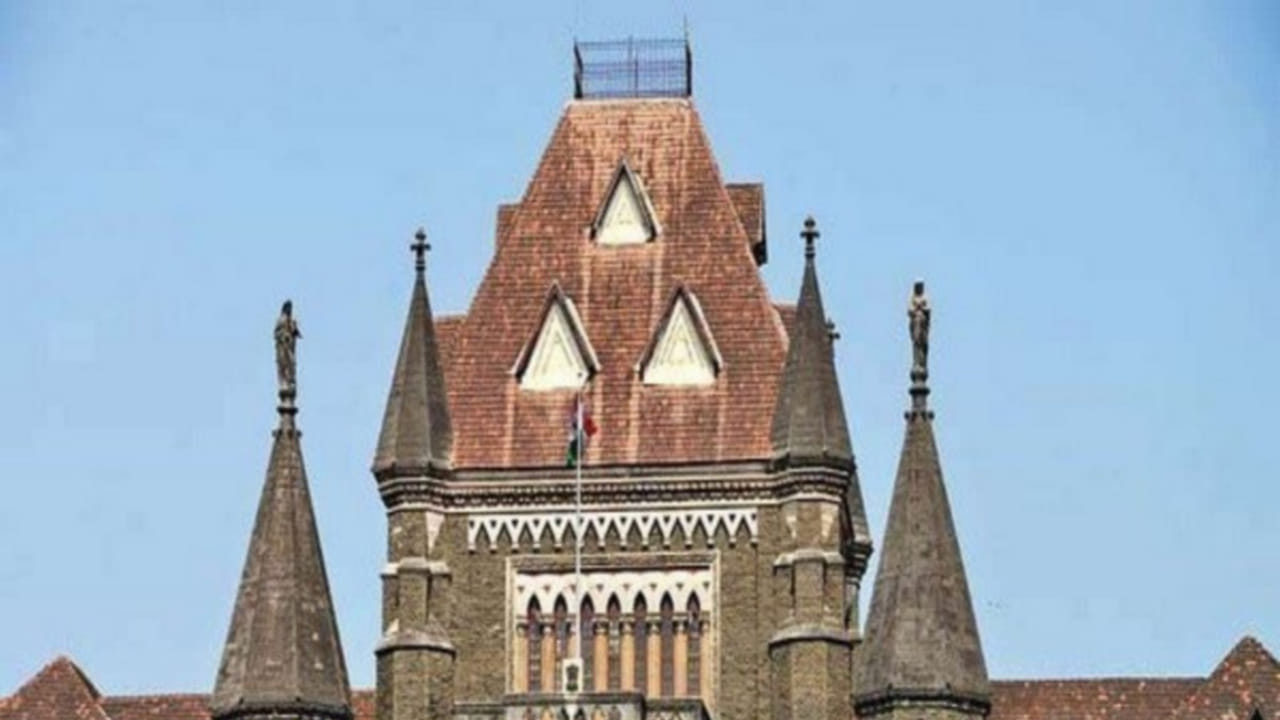
The Bombay High Court has reserved its order in a suo motu public interest litigation on firecracker use, and has indicated that stricter curbs across Maharashtra may become unavoidable. A division bench of Justices Girish Kulkarni and Neela Gokhale heard the matter together with connected petitions seeking wider restrictions, after Mumbai recorded poor air, loud noise and a string of fire incidents around Diwali.
The bench's concern, as reported from the hearing, is less about any single violation than about a pattern. Existing directions on the timing and type of crackers, along with noise and air-quality norms, were repeatedly disregarded. The court has suggested that if compliance does not improve, regulation by instruction may have to give way to a broader prohibition.
The court was told of more than 300 fire-related incidents linked to the festive period, including cases in which rockets reportedly set buildings alight. That shifts the case beyond environmental harm. In a dense city where balconies, parked vehicles and combustible material sit close together, a stray rocket is a public-safety hazard as much as a pollutant.
Air quality was the other pressure point. The bench noted Air Quality Index readings of around 400, and in some instances higher, a range classed as severe. Diwali spikes matter because they are concentrated: large volumes of crackers burst within hours, layered on Mumbai's year-round load of vehicular emissions, construction dust and industrial pollution.
One option floated during the hearing was to permit "community firecrackers" at designated grounds, rather than letting individuals burst crackers on streets and around residential premises. Such a model would be a significant change in how the festival is marked. It could make enforcement more practical, since authorities would monitor a limited number of venues instead of countless lanes and housing societies, and it would reduce residents' involuntary exposure to smoke and noise. The idea was raised in discussion, not decided; no order has been issued.
The real test lies in the reserved order. Courts in India have often issued firecracker rules that depend on local police and civic bodies to enforce, and the bench's remarks suggest it sees enforcement and public behaviour as the weak link. Whether it opts for a statewide ban, designated-ground model or tighter enforcement mandates will shape how the state and municipal authorities prepare for the next festive season.
Source reporting: Asianet Newsable.