Bombay HC reserves order on firecracker curbs, hints at wider Maharashtra ban
After a Diwali marked by AQI readings near 400 and more than 300 fire incidents, a Bombay High Court bench says tighter curbs may be hard to avoid if people keep ignoring the rules.
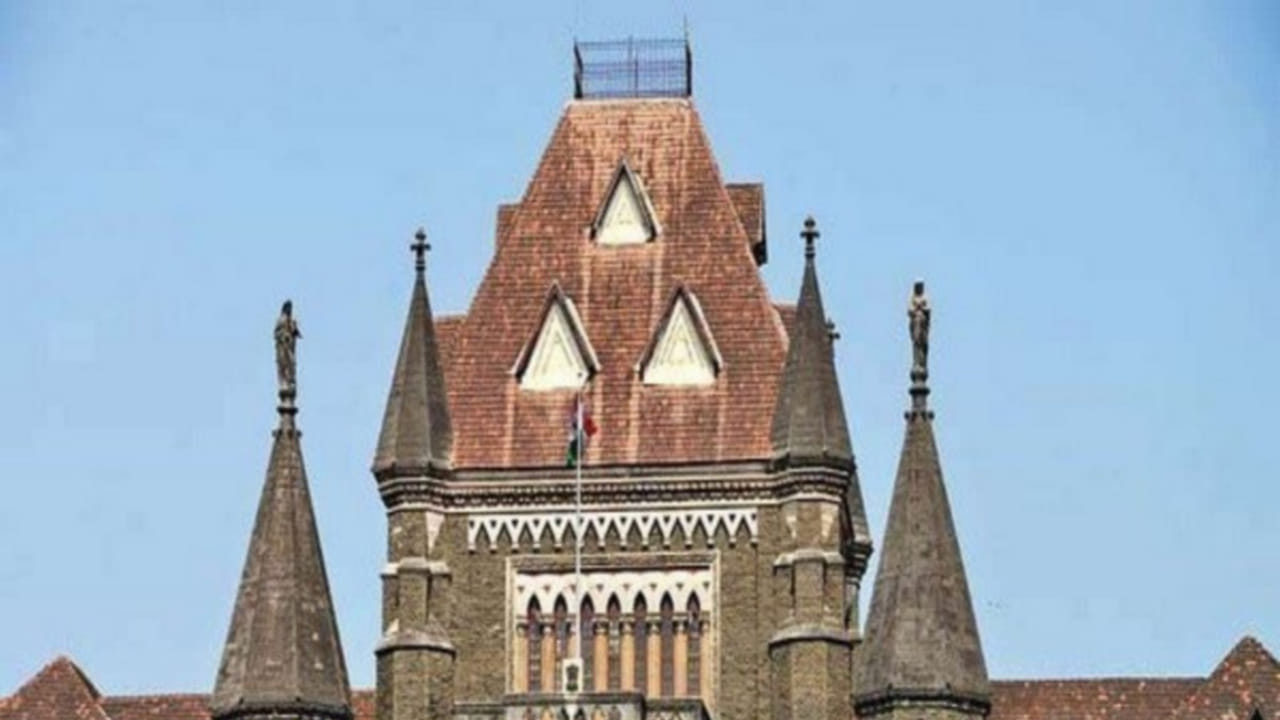
The Bombay High Court has reserved its order in a suo motu public interest litigation on firecrackers and signalled that a far stricter, possibly statewide, restriction may become unavoidable. A division bench of Justices Girish Kulkarni and Neela Gokhale heard the matter along with connected petitions seeking wider curbs, and voiced concern at how widely existing rules were flouted during and after Diwali.
The court was told of more than 300 fire-related incidents around the festival, including cases in which rockets reportedly set buildings alight. It also took note of Air Quality Index readings of around 400, and in some cases higher, a range that falls in the severe-to-hazardous territory for public health.
That shifts the legal question. The case is no longer only about which crackers are allowed or when they may be burst. The court is weighing whether a regime built on time limits and voluntary compliance can work in a city where the rules are routinely ignored, or whether a blunter instrument is now the only credible option.
One idea floated during the hearing was a "community firecracker" model, in which bursting is confined to designated grounds instead of streets, housing compounds and balconies. On paper, the logic is simple: it is easier to police a handful of venues than thousands of lanes, and it spares residents who never signed up for the smoke and the noise.
Mumbai makes the problem harder. Dense housing means one stray rocket can quickly become a building fire, and the city's air is already carrying the load of vehicles, construction and industry. A few nights of heavy firecracker use can push it from poor to dangerous with little warning.
The policy irony is hard to miss. Rules that exist but go unenforced tend to invite harsher ones, and courts end up doing the work of regulators. Whether the final order brings a broader ban, a designated-ground system or tougher enforcement of current norms, the bench has made clear that patience with non-compliance is running short. The order itself is still awaited.