Bhupender Yadav offers India's climate tech to island nations at COP31 in Antalya
At the first roundtable of its kind, India pitched satellite data, renewable energy know-how and disaster planning to small island states, and asked for their ocean wisdom in return.
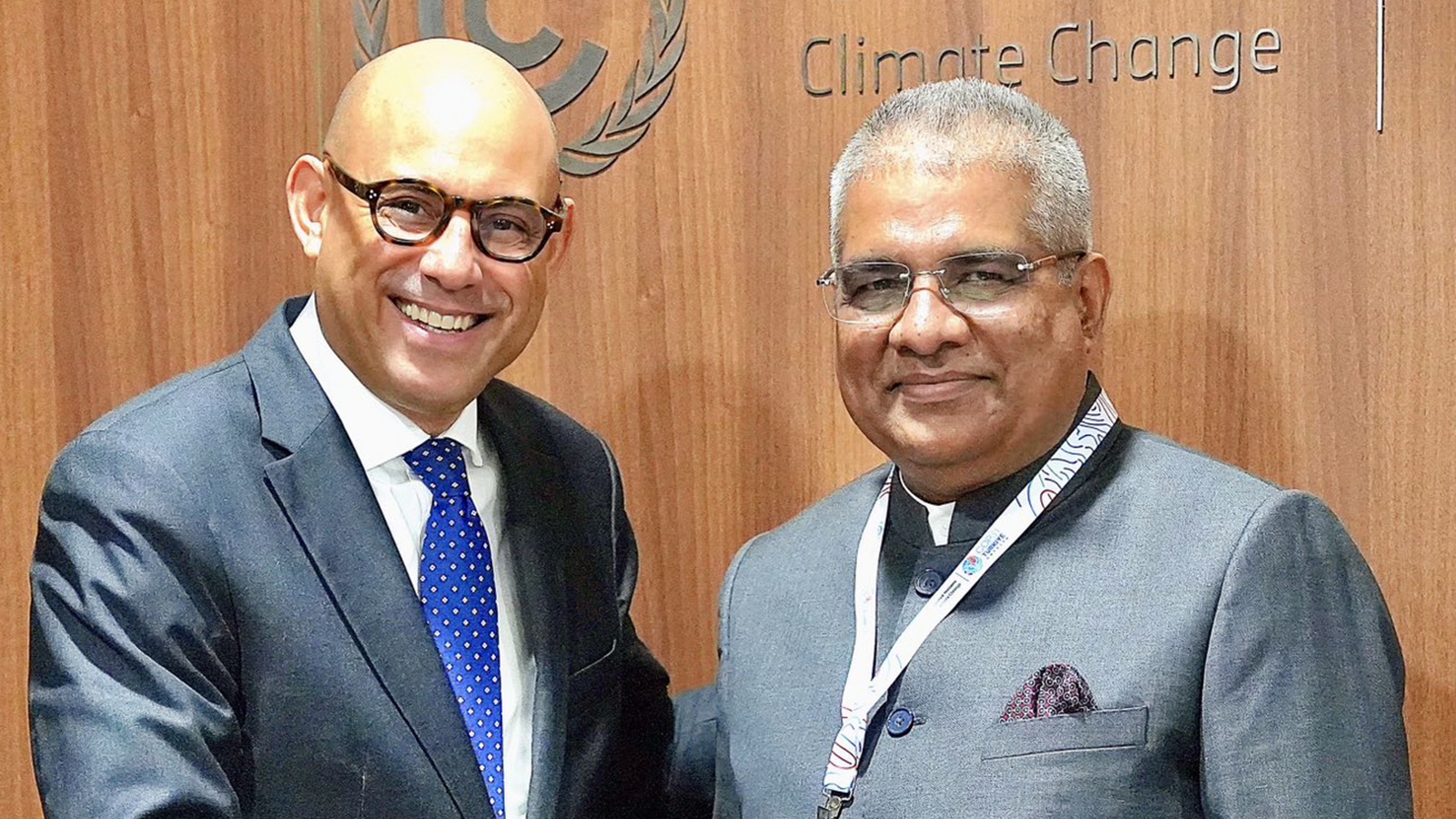
India used the COP31 climate summit in Antalya, Turkey, on Tuesday to offer small island countries its scientific and technological expertise in renewable energy and disaster management. Environment Minister Bhupender Yadav made the pitch at a first-of-its-kind roundtable held on the sidelines of the conference.
The message was not one-way. Yadav said India has plenty to learn from island nations, especially their traditional knowledge of the oceans and their long experience of living with, and adapting to, a changing sea.
Why does that matter? For small island states, rising seas are not a distant forecast. Yadav listed the pressures: sea-level rise, coastal erosion, ocean warming, coral bleaching, stronger storms and marine pollution. He argued that healthy oceans and resilient coastlines underpin economic security, ecological stability and people's wellbeing.
India says it brings hands-on experience from managing more than 11,000 km of coastline that supports millions of livelihoods. Yadav described a approach built on scientific assessment, ecosystem conservation, shoreline management and disaster preparedness, with local communities as partners in planning, delivery and sharing benefits.
The roundtable, organised by Delhi-based The Energy and Resources Institute, built on existing ties. The Forum for India-Pacific Islands Cooperation has run since 2014, with climate change a regular agenda item. At COP26 in Glasgow in 2021, India announced the Infrastructure for Resilient Island States (IRIS) programme, a special track under the Coalition for Disaster Resilient Infrastructure. Under IRIS, India has offered satellite data to help countries build early warning capacity. Right now, 23 projects covering 25 small island countries are active, and the meeting aimed to review progress and discuss deeper partnerships.
Yadav pointed to four areas for closer cooperation: coastal risk assessment, monitoring and early warning systems; ecosystem protection such as mangrove conservation; technology partnerships in energy and related fields; and institutional tie-ups for sharing scientific information and building skills.
For readers, the takeaway is simple: India is positioning itself as a practical partner to the countries most exposed to climate change, trading tools and data for local knowledge. Whether that translates into faster early warnings and sturdier coastlines will depend on how those 23 projects deliver.